
🏋️ Why Choose Plant-Based Protein Powders?
Plant-based protein powders are popular for their clean, allergen-friendly, and cruelty-free profiles. They’re a convenient way to boost your protein intake, especially for vegans, vegetarians, and those with dairy sensitivities. However, concerns about heavy metal contamination have made it essential to choose and use these supplements wisely.
⚠️ Understanding the Risks: Heavy Metals in Plant-Based Protein
- Heavy metals such as arsenic, lead, cadmium, and mercury can be present in plant-based protein powders because plants absorb these from soil and water, especially in polluted regions.
- Studies show that some plant-based powders have higher levels of these contaminants compared to animal-based options.
- Chronic exposure to heavy metals can lead to neurological, kidney, and liver issues, and increase cancer risk.
Most reputable brands keep levels well within global safety limits, and typical use does not pose a significant health risk for most adults.
✅ How to Choose and Use Plant-Based Protein Powders Safely
1. Look for Third-Party Testing & Certifications
- Choose brands that publish third-party lab results or Certificates of Analysis (COA) for each batch.
- Look for certifications like NSF Certified for Sport, Informed Sport, or USDA Organic for added peace of mind.
2. Check Ingredient Sourcing
- Opt for powders made from organically grown plants and avoid those sourced from regions with high industrial pollution.
- Brands that test every batch for heavy metals and microbiological safety are preferable.
3. Diversify Your Protein Sources
- Don’t rely solely on protein powders. Rotate with whole food sources like beans, lentils, nuts, and seeds to minimize cumulative exposure.
4. Use Protein Powders as Supplements, Not Meal Replacements
- Protein powders are meant to fill nutritional gaps, not replace whole meals.
- Stick to the Recommended Dietary Allowance: 46g/day for women, 56g/day for men (from all sources).
5. Avoid Overconsumption
- Excessive protein supplementation can stress your kidneys and liver and may increase contamination risk.
- Follow serving size guidelines and consult with a healthcare provider if you have underlying health conditions.
6. Be Mindful of Additives
- If you have a sensitive stomach, avoid powders with sugar alcohols or artificial sweeteners, which can cause GI discomfort.
📝 Quick Safety Checklist
- 🔎 Check for third-party lab results or certifications.
- 🌱 Prefer organic, transparently sourced ingredients.
- 🥗 Rotate with whole food protein sources.
- 🚫 Don’t exceed recommended serving sizes.
- 📋 Read ingredient labels for unwanted additives.
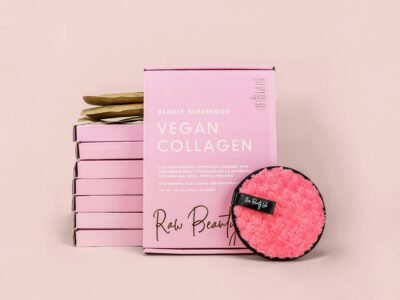
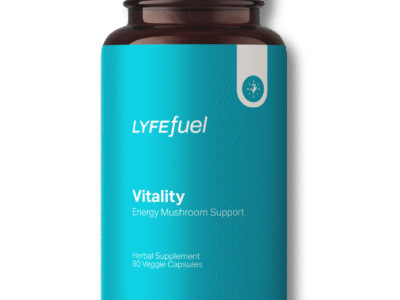
Check out myGreenDirectory’s sustainable medicine and supplements listings




📚 Sources
- Heavy metals in plant-based protein powders are a real concern, but most reputable brands fall within safe limits.
- Batch testing and certifications are your best assurance of safety.
- Use protein powders as a supplement, not a replacement for whole foods.
Disclaimer
The content provided on MyGreenDirectory.com is for general informational purposes only and does not constitute professional, legal, financial, environmental, or health advice. While we aim to highlight sustainable businesses, products, and services, we encourage all users to independently verify claims, certifications, and practices before making any decisions or purchases.
Some of the links on this site may be affiliate links. This means we may earn a small commission if you click through and make a purchase, at no additional cost to you. These commissions help support the maintenance of the directory, but they do not influence our editorial content or the inclusion of listings.
Comments